
a new frontier for indiana
And Affordable Housing for All Hoosiers
A new Economic frontier for indiana means…
- GETTING MONEY OUT OF POLITICS
- CUTTING THE STATE INCOME TAX
- REPLACING PROPERTY TAXES WITH A LAND VALUE TAX
- UNLOCKING HOUSING SUPPLY (NO TAX ON BUILDINGS)
- LEGALIZING DENSITY AND MIXED-USE NEIGHBORHOODS

“But the New Frontier of which I speak is not a set of promises. It is a set of challenges.”
~ John F. Kennedy

ABOUT THE CANDIDATE
My name is Eric Reingardt. I was born and raised in Johnson County, Indiana and graduated from Indiana University Indianapolis studying Political Science and Economics. I previously worked for Aspire Johnson County and became immersed in the local business and political landscape.
I am one of many in my generation who have struggled to find adequate employment and affordable housing in the current economy caused by rent-seeking and monopolies. Georgist land economists like Fred Harrison have predicted past downturns, and we are currently in a housing market crisis larger than the 2008 Great Recession. We need to revive the JFK-inspired “New Frontier” spirit of the Democratic Party and move beyond price controls to land value tax reform as an economic priority.
The time for decisive action and fresh public policies is now. See my policy page and feel free to send any policy ideas for legislation to my email: reingardtforindiana@outlook.com.


Why is Land Value Tax the Best Solution?
See the Center for Property Tax Reform’s Case for LVT by Economist Josh Vincent
See Social Studies Teacher Mr. Beat’s YouTube Video on LVT
See Other Reviews of the LVT Policy
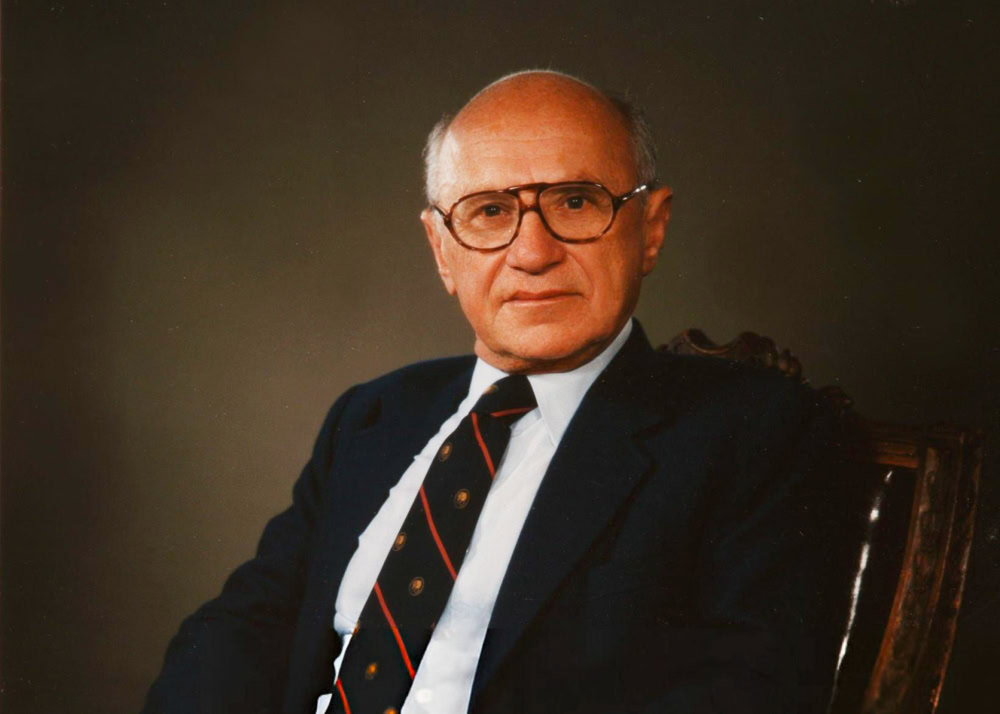
“In my opinion the least bad tax is the property tax on the unimproved value of land, the Henry George argument of many, many years ago.” – Milton Friedman, libertarian economist.

Accordingly, promoting the highest and best use of land is critically important to the long-term economic development progress of this City. We have had the land-value tax policy in place for years (since 1975) and have found it to be an important incentive.
Presently, we have a ratio of six to one, meaning that the millage rate on buildings is only one-sixth of the millage rate charged on land.
In the current era, we have registered in excess of $3.1 billion in new investment. The number of businesses on the City’s tax rolls has increased from 1,908 to more than 5,900: 209%. Taxable real estate values have increased from an aggregate of $212 million to over $1.6 billion. The number of vacant properties has been cut by 85%. In 1982, Harrisburg had 4,200 vacant structures. Today, there are less than 500. The crime rate has been reduced 54% and the fire rate has dropped over 76%. Unemployment, which generally ran in the double digits, even in times of a good national economy, is normally less than half those previous rates today.
Economic development in an urban community should not be based solely upon a land-value tax policy. Rather, the tax policy should be part of a package of other incentives, which include various low-interest loans, the availability of low-cost vacant land, tax abatement, and the like.
Without hesitation, we can commend the importance and benefit of the land-value tax policy. It has worked in Harrisburg and in other communities where it has existed.” – Stephen Reed, Mayor of Harrisburg, PA

Designed with WordPress
 Reingardt for Indiana